

Over the years, I’ve become less interested in how much a Reiki practitioner knows and more interested in what years of practice have actually done to them. I’ve known people with an extraordinary amount of knowledge about Reiki who were still easily offended, impatient with other people, or unwilling to hear that they might be wrong. I’ve also known practitioners who would never consider themselves particularly advanced, but whose practice had clearly changed the way they moved through the world.
Teaching makes these changes especially easy to see because people reveal themselves in ordinary situations. I might correct a hand position, clarify something I taught earlier, or tell a student that they have misunderstood an instruction. Some people immediately explain why they did what they did. Others listen, make the correction, and continue. I don’t think there is anything terrible about becoming defensive. I’ve certainly done it myself. What interests me is whether we remain defensive, and whether years of practice make it easier for us to recognize what is happening and let it go.
I see the same thing when something doesn’t go as expected. A treatment may feel different from the one before it. A student may not feel Reiki as strongly as everyone else in the class. Someone we treat may not improve in the way we hoped. These experiences can be frustrating, particularly when we are new and looking for reassurance that we are doing everything correctly. With practice, many people become less disturbed by them. They learn that they can continue without having an explanation for every experience.
This is quite different from what I once imagined spiritual refinement would look like. I think I expected practice to remove certain qualities from me. Perhaps I would eventually stop becoming irritated, stop worrying, or reach some point where I was no longer troubled by the things that had always troubled me. That hasn’t happened. I still get irritated. I still worry. I can still become impatient and defensive. What has changed is my relationship to those reactions. I usually recognize them sooner than I once did, and I don’t have to hold on to them for quite as long.
This is one of the reasons I think the effects of Reiki practice are easier to recognize over years than over weeks or months. The changes can be so ordinary that we hardly notice them while they are happening. We may listen a little longer before interrupting. Something that once would have bothered us for several days may be gone by dinner. We may discover that we no longer need to defend ourselves every time someone disagrees with us. None of these changes is dramatic, and probably no one would describe them as a profound Reiki experience. Yet taken together, they can amount to a considerable change in a person.
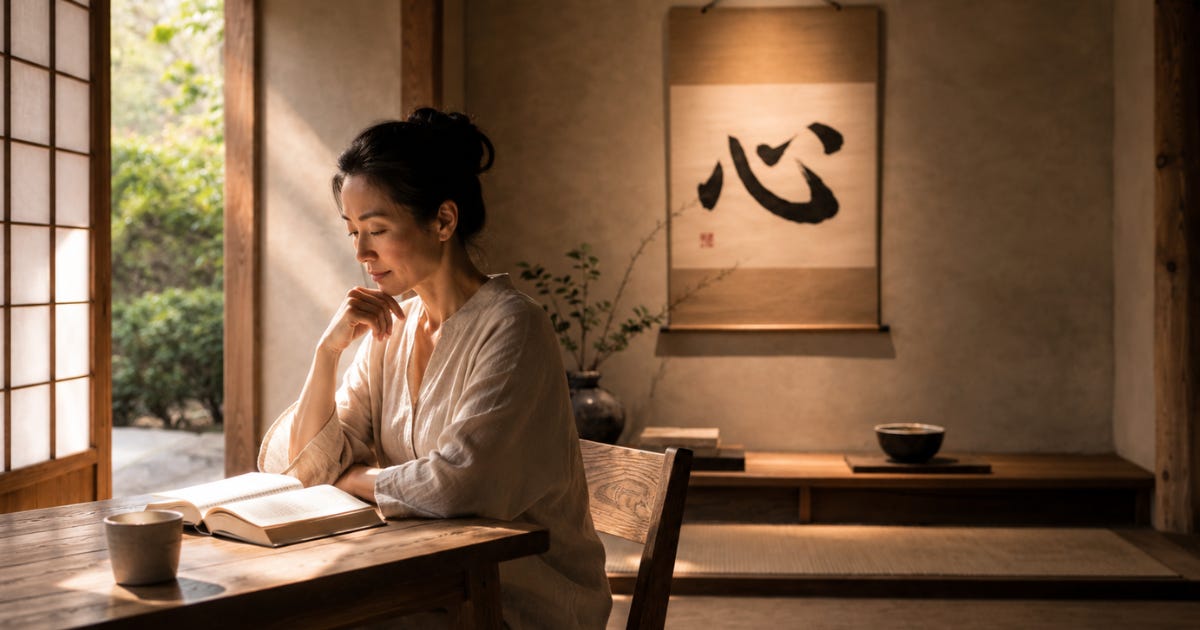
When I think about cultivating kokoro, this is part of what the word has come to mean to me. I don’t think cultivation can be separated from the way we actually behave. Whatever happens during self-treatment, meditation, or a particularly powerful Reiki experience eventually has to find its way into the ordinary parts of our lives. If years of practice have changed us, some evidence of that change should eventually appear in the way we treat people, the way we respond when we are frustrated, and the way we handle being wrong.
Perhaps that is why refinement can be difficult to see in ourselves. We tend to look for something we can feel, while some of the most important changes may be visible only when we look back at the person we used to be. I know I am not finished, and after more than thirty years of practice I don’t expect to be. But I can see places where practice has changed me, and increasingly, that is what I look for when I think about refinement.
If you’ve noticed this kind of change in your own practice, you’re welcome to stay.